

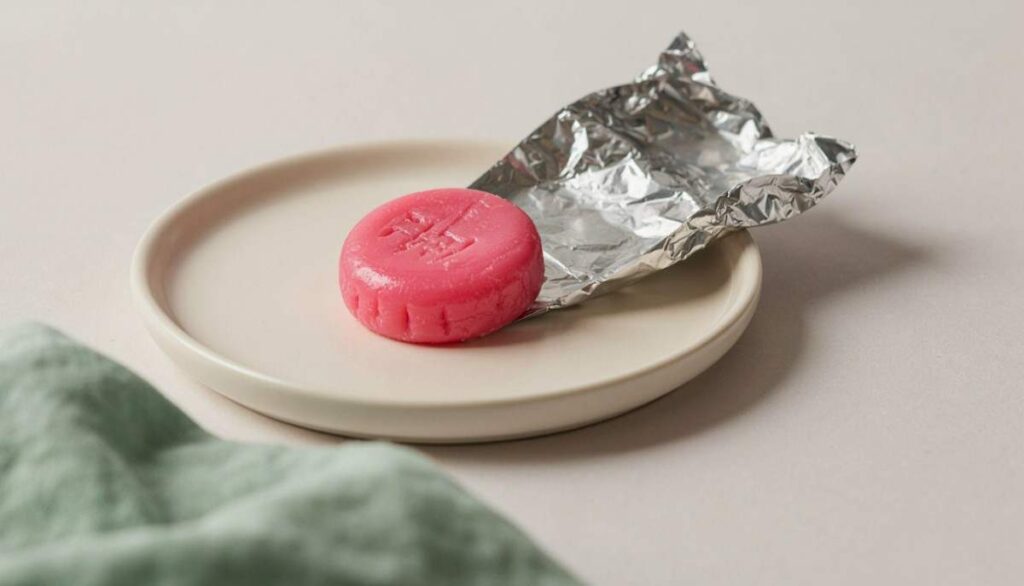
Half the patients we see have a strong opinion about gum, and about half of those opinions are wrong. It’s not simply “bad for your teeth” or “good for your teeth.” It depends almost entirely on what’s in the pack you bought.
The Sugar Problem, Explained
The bacteria in your mouth use sugar as food and release acids that can weaken tooth enamel. That acid is what eats away at minerals in the enamel over time. Regular gum, the sort with actual sugar, keeps feeding that cycle for as long as you are chewing, which for many individuals is a lot longer than it takes to consume a meal. Chew a piece of sugary gum for 15 minutes and it can do more damage compared to a piece of candy you feel guiltier about consuming.
Sugar-free gum turns the equation about. When you chew anything, saliva is produced and it’s doing real work in your mouth: it buffers acidic back toward a neutral pH and contains both calcium and phosphate that help redeposit minerals back into enamel that is just starting to weaken. Xylitol – sweetened gum takes it a step further . The bacteria that cause decay can not easily metabolize xylitol , so chewing it actually fights against them instead of feeding them . This is the reason the ADA endorses certain sugar-free gums, not gum in general.
Pros and Cons of Chewing Gum for Your Teeth
Pros
- Sugar-free gum increases saliva flow, which buffers acid and helps redeposit minerals into softened enamel
- Xylitol gum actively works against decay-causing bacteria instead of just avoiding harm
- Chewing after meals clears out food particles before they sit against your teeth
- Convenient way to freshen breath between brushings
Cons
- Sugary gum feeds the same bacteria that cause cavities, often for longer than a meal would
- Sticky gum can loosen temporary crowns, fillings, or orthodontic wires
- Constant, all-day chewing puts repeated strain on the jaw joint and can aggravate TMJ symptoms
- Not a substitute for brushing or flossing, no matter which kind you chew
Where People Get Into Trouble
Gum after braces or a new crown is the most common issue we see walking through the door. Sticky gum can pull a temporary crown loose or work a wire out of place, and a same-day emergency visit to re-cement a crown is a lot more annoying than just skipping the gum for a few weeks.

The other one is jaw strain. Chewing gum for an hour or two isn’t a problem for most people, but constant chewing the pack-a-day habit puts real, repeated load on the jaw joint. If you already deal with TMJ pain or clicking, gum is one of the easier habits to cut to see if it helps.
Timing matters too. Gum right after a meal is genuinely useful. It’s doing cleanup work while your mouth is still acidic from eating. Gum as a constant, all-day habit is different; your enamel doesn’t get a break, and neither does your jaw.
What We Actually Recommend
Sugar-free, ideally xylitol-based, chewed for ten to twenty minutes after meals. That’s it. It’s not a replacement for brushing or flossing, but it’s a genuinely useful habit layered on top of one.
If you’re not sure whether a habit like this is doing you any favors, that’s exactly the kind of question worth bringing to a cleaning. We do local same day dentistry for anything that can’t wait, but most gum-and-teeth questions are perfectly fine to save for your next regular visit.
Conclusion
Gum isn’t the enemy, the wrong gum, chewed the wrong way, is. Sugar-free after meals helps. Sugary and constant hurts, and it hurts more than most people realize. If you’re dealing with jaw pain, a loosened crown, or you’re just not sure what’s going on in there, that’s a conversation for your dentist, not a guess.
FAQ
1.Is sugar-free gum actually good for my teeth, or just less bad?
It’s really helpful. Eating it after a meal stimulates saliva flow that neutralizes acid and helps redeposit minerals in the enamel. That is a positive benefit, not just the lack of harm.
2.Can chewing gum pull out a filling or crown?
Sticky, non-sugar-free gum can loosen a temporary crown or catch on a filling edge, especially if the dental work is recent. If that happens, it needs attention quickly. Most practices offering local same day dentistry can get you back in before it gets worse.
3.Does chewing gum help with bad breath?
Temporarily, yes it increases saliva, which washes away some of the bacteria that cause odor. It doesn’t address the actual source of chronic bad breath, which is usually worth a real conversation with your dentist.
4.I don’t have dental insurance. Does that change what I should do about a gum-related dental issue?
Not really the advice is the same either way. What changes is finding a flexible dentist without insurance who can see you without a long new-patient runaround and give you real numbers before you commit to treatment.
5.Can chewing gum help after cosmetic dental work, like veneers or whitening?
Sugar-free gum is fine and can even help protect the results. Sticky or sugary gum is a bad idea around fresh cosmetic work. Ask your provider directly if you’ve recently had cosmetic dentistry in Marietta, GA, since recommendations can vary by procedure.
About the Author
Dr. Kofi Brown is a dentist at Marietta Dental Professionals known for patient-focused, detail-driven care. He blends a modern, precise approach to dentistry with genuine attention to comfort and communication, helping patients feel confident in both their smiles and the care behind them.
2551 Roswell Rd., Building 100
Marietta, GA 30062
Phone: 770-514-5055
Email: staff@mariettadentalpros.com


