
A strong jawbone forms the foundation for successful dental implants, stable dentures, and long-term oral health. When bone loss occurs — whether from tooth extraction, gum disease, injury, or natural resorption over time — bone grafting restores the volume and density needed to support restorative treatments. This regenerative procedure has transformed implant dentistry, making tooth replacement possible for patients who were once told they lacked sufficient bone structure.
Surgical Expertise in Bone Regeneration
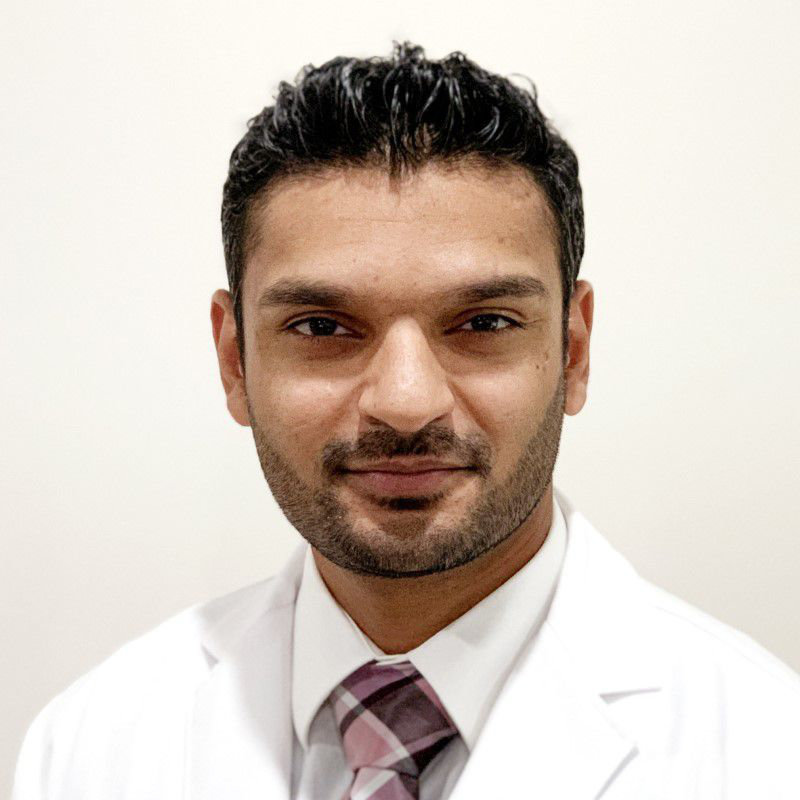
Dr. Jay Patel performs bone grafting procedures at Marietta Dental Professionals with the specialized training that comes from completing a four-year oral and maxillofacial surgery residency at Womack Army Medical Center. During his residency, Dr. Patel gained extensive experience in reconstructive jaw surgery, grafting techniques, and the biology of bone healing. He holds board certification through the American Board of Oral and Maxillofacial Surgeons and membership in the American Academy of Implant Dentistry. “Bone grafting requires understanding both the science of regeneration and the artistry of creating proper contours,” says Dr. Patel. “When done correctly, we can rebuild what was lost and create a stable foundation for lasting results.”
What Is Bone Grafting
Bone grafting is a surgical procedure that transplants bone tissue — or bone-like materials — to areas of the jaw where volume has been lost. The graft serves as a scaffold, encouraging the body’s natural healing processes to generate new bone cells that gradually replace the graft material. Over several months, the transplanted material integrates with existing bone, creating a stronger, denser jawbone capable of supporting dental implants or other restorations. Advances in grafting materials and techniques have made these procedures more predictable and comfortable than ever before.
Bone Grafting for Dental Implants
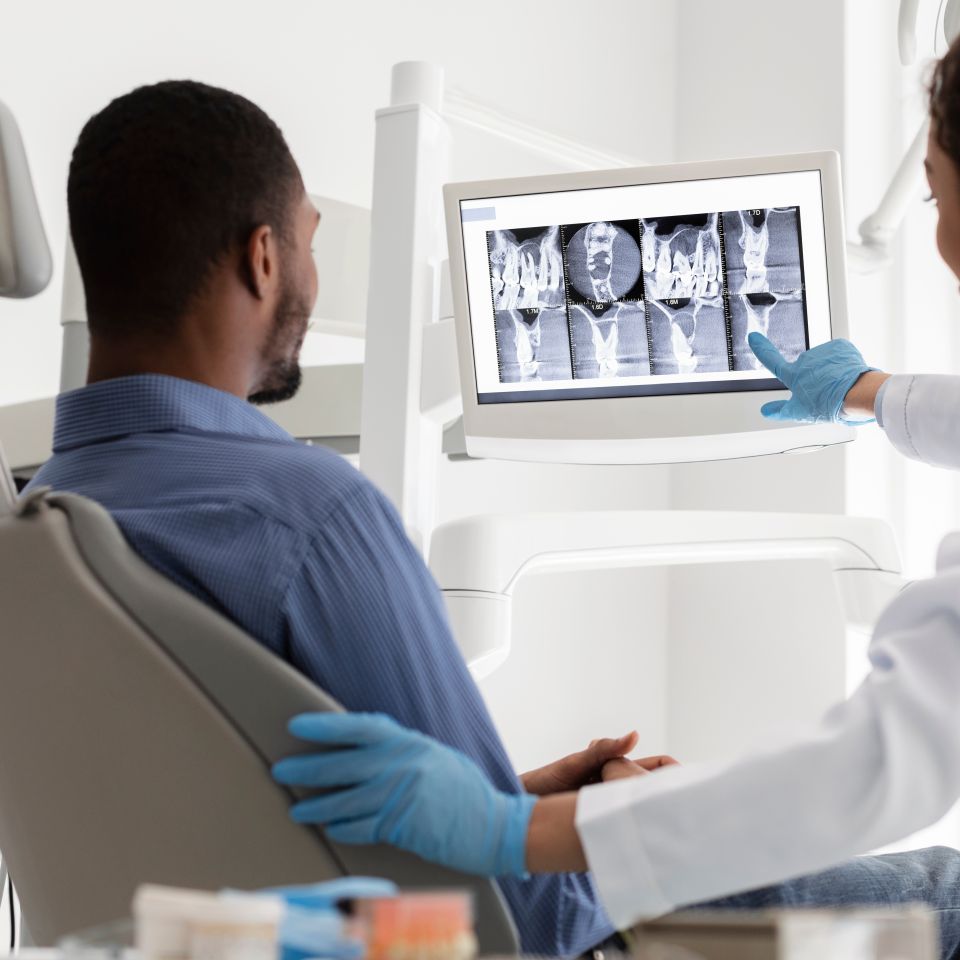
Dental implants require adequate bone height, width, and density to achieve successful integration. When patients lack sufficient bone — a common situation after years of wearing dentures, following tooth extraction, or due to periodontal disease — bone grafting creates the necessary foundation. The grafting procedure rebuilds the alveolar ridge (the bone that once surrounded natural tooth roots), allowing implants to be placed securely and positioned optimally for function and aesthetics. In some cases, bone grafting and implant placement occur during the same surgical appointment. More often, the graft heals for three to six months before implant surgery, ensuring the regenerated bone has reached full strength. Dr. Patel evaluates each patient’s unique anatomy using advanced 3D imaging to determine the ideal grafting approach and timeline for implant success.
Types of Bone Grafts
Several bone graft options exist, each suited to different clinical situations. Dr. Patel recommends the most appropriate material based on the extent of bone loss, treatment goals, and individual patient factors.
Autograft: Bone harvested from the patient’s own body — typically from the chin, jaw, or hip — offers excellent integration since the tissue is biologically identical. Autografts work well for larger defects requiring substantial volume.
Allograft: Processed human donor bone from a tissue bank provides a safe, effective alternative that eliminates the need for a second surgical site. Rigorous screening and sterilization protocols ensure safety.
Xenograft: Bone derived from animal sources (commonly bovine) undergoes extensive processing to remove organic components while preserving the mineral structure that supports new bone growth.
Alloplast: Synthetic bone graft materials made from biocompatible compounds like calcium phosphate or hydroxyapatite offer consistent quality and unlimited availability without requiring donor tissue.

What to Expect During Bone Grafting
The procedure begins with local anesthesia to ensure complete comfort, with IV sedation available for patients who prefer a deeper level of relaxation. Dr. Patel creates a small incision in the gum tissue to access the treatment area, then carefully places the graft material and shapes it to achieve proper contours. A protective membrane often covers the graft to prevent soft tissue from growing into the area before bone regeneration occurs. Sutures close the site, and detailed aftercare instructions help optimize healing. Most patients manage post-operative discomfort with prescribed medication and return to normal activities within a few days, though the bone itself continues maturing over several months.
Frequently Asked Questions About Bone Grafting
The procedure itself is painless due to anesthesia and available sedation options. Afterward, patients typically experience mild to moderate discomfort, swelling, and bruising that improves steadily over the first week with proper care and medication.
Initial soft tissue healing occurs within two weeks, but complete bone regeneration and integration typically requires three to six months. Dr. Patel monitors healing progress and determines the optimal timing for any subsequent implant placement.
Bone grafts have high success rates — generally exceeding 90% — when performed by experienced oral surgeons using appropriate techniques and materials. Following post-operative instructions significantly impacts outcomes.
While uncommon, graft failure can occur due to infection, smoking, certain medical conditions, or premature stress on the healing site. Dr. Patel discusses risk factors during your consultation and provides guidance to maximize success.
Not everyone requires grafting. Dr. Patel uses 3D imaging to assess bone volume and determines whether grafting is necessary. Patients with adequate existing bone can often proceed directly to implant placement.
Costs vary based on graft type, extent of treatment, and whether sedation is used. Our team provides transparent pricing during your consultation, and many dental insurance plans cover a portion of bone grafting when performed in preparation for implants.

Why Choose Marietta Dental Professionals for Bone Grafting
Having a board-certified oral surgeon with specialized training in bone regeneration means patients receive expert care without referrals to outside offices. Dr. Patel’s residency included extensive experience in reconstructive procedures, and his ongoing involvement with the American Academy of Implant Dentistry keeps him current with the latest grafting materials and techniques. From initial imaging through final healing, every step occurs under coordinated care at a single trusted practice. Patients benefit from advanced technology, personalized treatment planning, and a team committed to achieving the best possible foundation for lasting tooth replacement.
Schedule your bone grafting consultation at Marietta Dental Professionals by calling (770) 514-5055 or requesting an appointment online. Rebuilding your jawbone is the first step toward restoring your smile.