
The alveolar ridge — the bony ledge that once held your natural teeth — defines the shape and contour of your jaw. When teeth are lost, this ridge begins deteriorating almost immediately, often shrinking in width until it becomes too narrow to support dental implants. Ridge augmentation rebuilds this critical structure, restoring both the bone volume needed for implant placement and the natural contours that create an aesthetically pleasing result.
Reconstructive Expertise for Complex Cases
Dr. Jay Patel specializes in ridge reconstruction at Marietta Dental Professionals, drawing on advanced training from his four-year oral and maxillofacial surgery residency at Womack Army Medical Center. His residency included extensive experience rebuilding jaws affected by trauma, disease, and long-term tooth loss — cases where standard approaches fall short. Board certified through the American Board of Oral and Maxillofacial Surgeons and an active member of the American Academy of Implant Dentistry, Dr. Patel understands that successful implant outcomes depend on more than just bone height. “A ridge that’s tall enough but too narrow won’t support an implant properly,” explains Dr. Patel. “Ridge augmentation lets us rebuild in three dimensions — height, width, and contour — so the final restoration looks and functions like a natural tooth.”
Understanding Ridge Augmentation
Ridge augmentation is a bone grafting procedure specifically designed to restore the width and shape of the alveolar ridge. Unlike sinus lifts that address vertical bone loss in the upper jaw, ridge augmentation typically focuses on horizontal deficiencies — ridges that have become knife-edge thin or collapsed inward after tooth loss. The procedure places bone graft material along the outer surface of the existing ridge, building it outward to achieve the dimensions necessary for implant placement. Over several months, the graft integrates with native bone, creating a wider, stronger foundation that can accommodate implants positioned at the proper angle for optimal function and aesthetics.
When Ridge Augmentation Is Needed
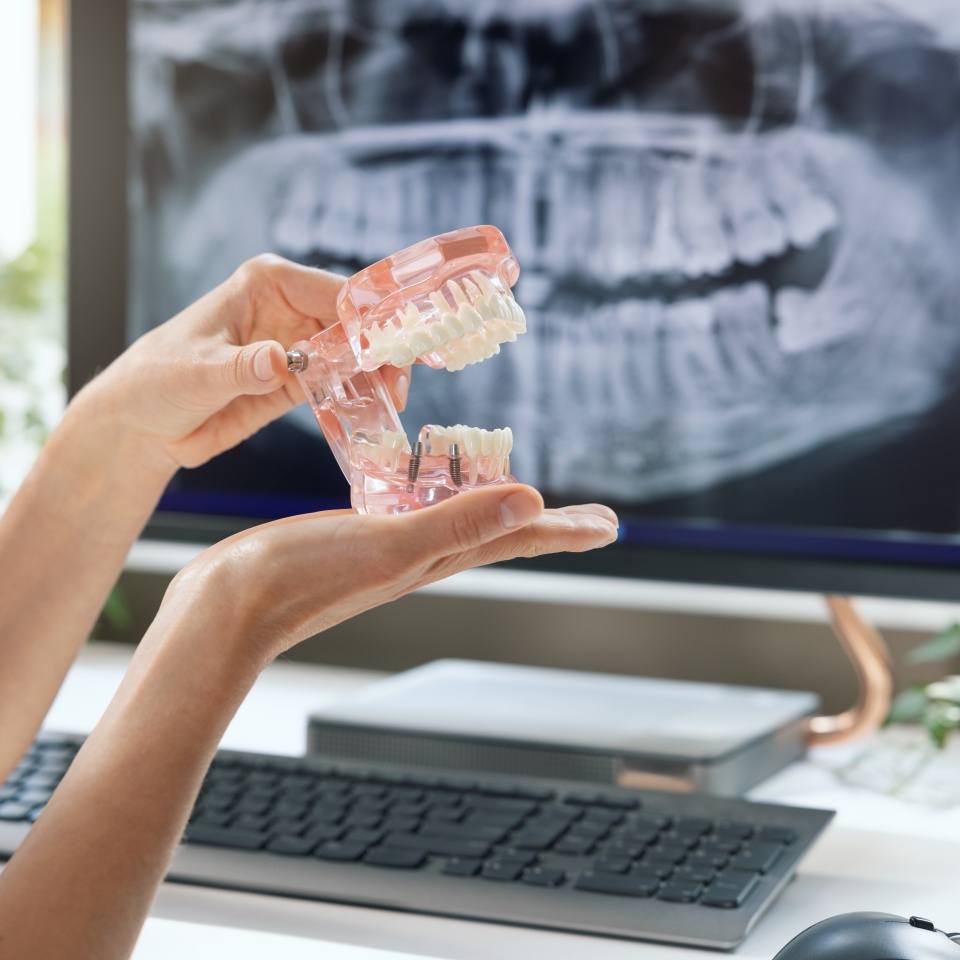
Bone loss following tooth extraction occurs predictably — studies show the ridge can lose up to 50% of its width within the first year alone. Patients who delay implant placement, wear removable dentures, or experienced traumatic tooth loss often develop significant ridge deficiencies. Periodontal disease accelerates this deterioration by destroying the bone that supports teeth before they’re even lost. Some patients present with naturally thin ridges that never had adequate width for implants. Others have experienced failed implants or infections that left behind compromised bone. In each scenario, ridge augmentation transforms an inadequate foundation into one capable of supporting stable, long-lasting dental implants.

Ridge Augmentation and Smile Aesthetics
For front teeth, ridge augmentation serves an additional purpose beyond implant support — it restores the natural fullness of the gum line. A collapsed or sunken ridge creates a visible defect that no crown or bridge can fully disguise. Patients notice the concave appearance where teeth once sat, and the gum tissue follows the diminished bone contour. By rebuilding the ridge to its original dimensions, ridge augmentation allows the final implant restoration to emerge naturally from the gum tissue, eliminating the “black triangles” and uneven gum heights that compromise smile aesthetics. The result is a tooth replacement that blends seamlessly with surrounding teeth.
The Ridge Augmentation Procedure in Marietta
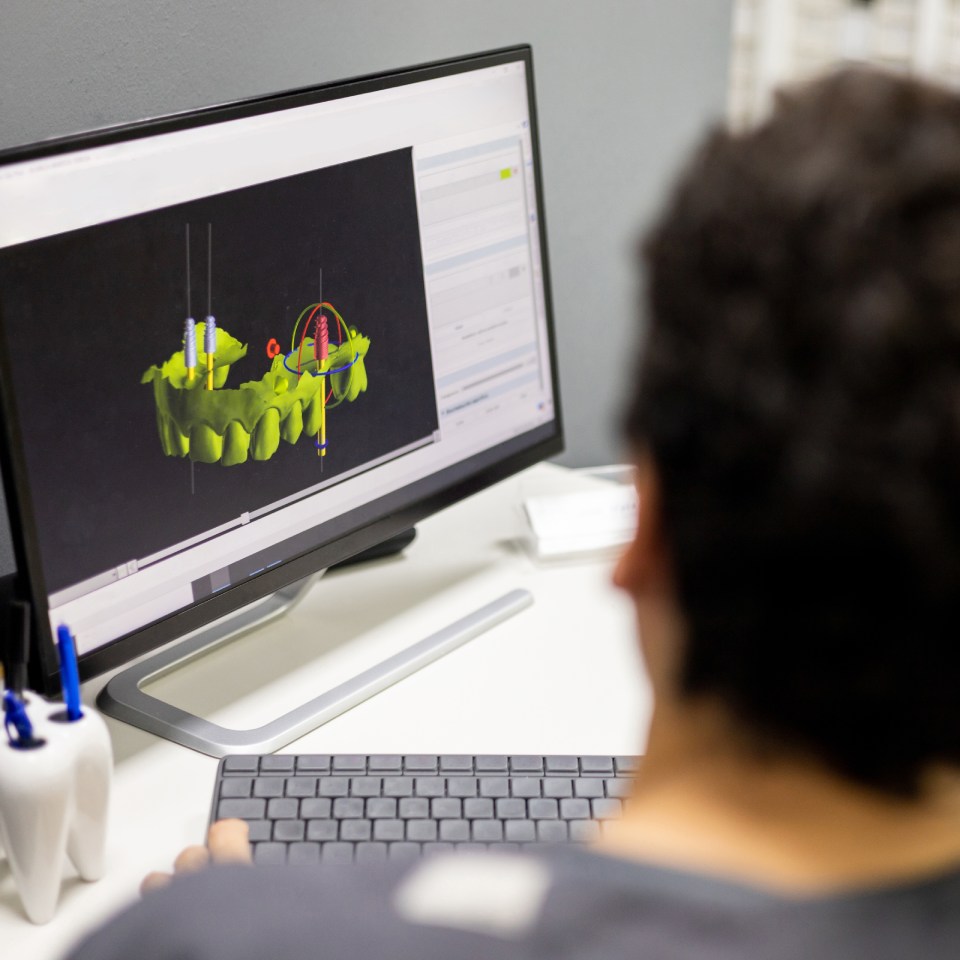
Dr. Patel begins with comprehensive 3D imaging to evaluate ridge dimensions and plan the precise graft placement. The procedure is performed under local anesthesia, with IV sedation available for patients who prefer deeper relaxation. After accessing the treatment area through a small incision, Dr. Patel places bone graft material along the deficient ridge and shapes it to achieve optimal contours. A resorbable membrane typically covers the graft, protecting it during the critical early healing phase and preventing soft tissue from interfering with bone regeneration. Sutures close the site, and patients receive detailed aftercare instructions to support successful healing. Most patients return to normal activities within a few days, though the graft requires four to six months to fully mature before implant placement.
Frequently Asked Questions About Ridge Augmentation
Ridge augmentation is a specific type of bone grafting focused on rebuilding the width and contour of the alveolar ridge. While all ridge augmentation involves bone grafting, not all bone grafts address ridge deficiencies — some restore height, fill extraction sockets, or augment the sinus area.
The procedure itself is painless due to anesthesia and available sedation options. Post-operative discomfort typically peaks within the first two to three days and is well-controlled with prescribed medication. Most patients describe recovery as more manageable than expected.
Bone integration generally takes four to six months, though healing time varies based on graft size and individual biology. Dr. Patel monitors progress with periodic imaging and determines the ideal timing for implant placement.
Options include autograft (your own bone), allograft (processed donor bone), xenograft (animal-derived bone), and synthetic materials. Dr. Patel recommends the most appropriate option based on the extent of augmentation needed and your individual circumstances.
While uncommon, graft complications can occur — particularly in patients who smoke, have uncontrolled diabetes, or don’t follow aftercare instructions. Dr. Patel’s surgical expertise and thorough pre-operative planning minimize these risks.
Costs depend on the extent of reconstruction, graft materials used, and sedation preferences. Our team provides transparent pricing during your consultation, and we work with patients to maximize insurance benefits and explore financing options.

Why Choose Marietta Dental Professionals for Ridge Augmentation
Rebuilding a severely deficient ridge requires an oral surgeon who understands both the functional requirements of implant placement and the aesthetic demands of smile restoration. Dr. Patel’s training in reconstructive jaw surgery — combined with his focus on implant dentistry — positions him to handle simple and complex ridge deficiencies alike. Patients benefit from advanced 3D imaging, meticulous surgical technique, and coordinated care that follows them from initial evaluation through final implant restoration. The practice’s modern technology and comfortable environment make even extensive reconstructive procedures feel approachable.
Discover whether ridge augmentation can restore your candidacy for dental implants by scheduling a consultation at Marietta Dental Professionals. Call (770) 514-5055 or request an appointment online to begin rebuilding your foundation for a complete smile.