
Wisdom teeth often emerge during the late teen years or early twenties — a time when the jaw has limited space to accommodate these final molars. When there isn’t enough room, these teeth can become impacted, grow at awkward angles, or push against neighboring teeth, leading to pain, infection, and long-term dental complications. Removing problematic wisdom teeth before they cause significant issues protects oral health and prevents more complex treatments down the road.
Expert Surgical Care from a Board-Certified Oral Surgeon
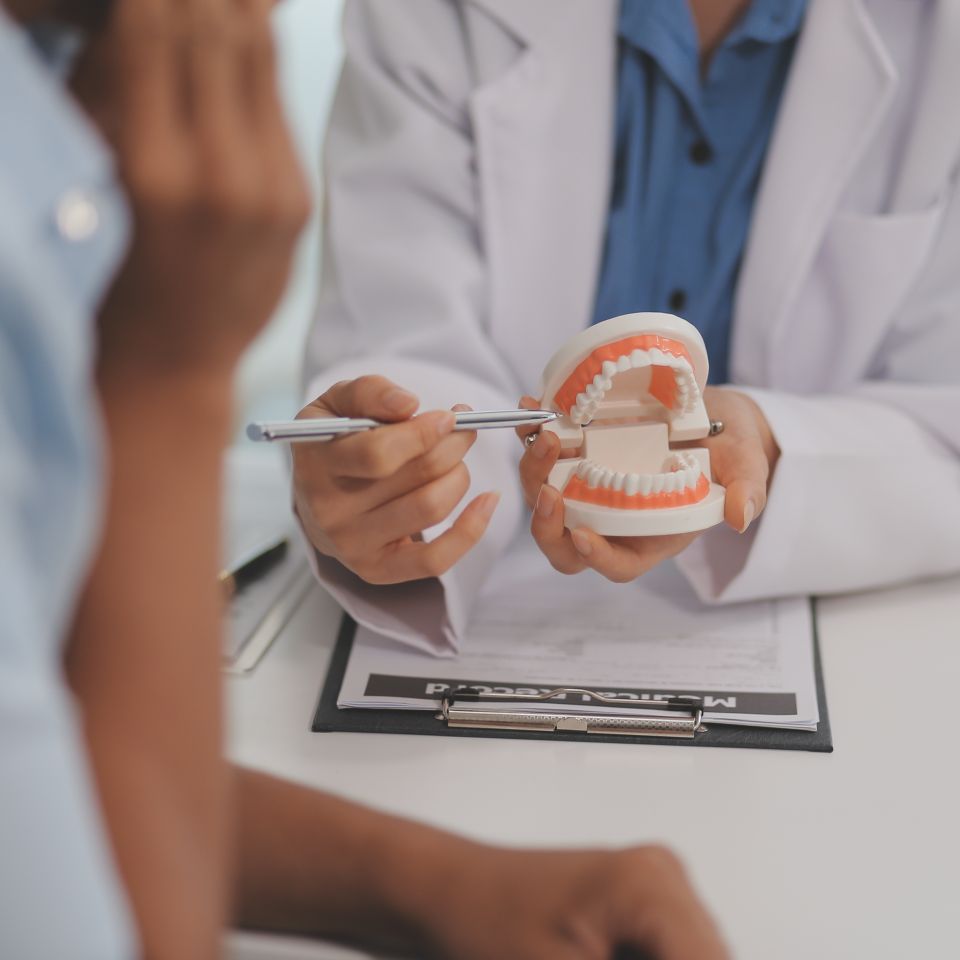
Dr. Jay Patel performs wisdom teeth extractions at Marietta Dental Professionals with the precision and expertise that comes from years of advanced surgical training. After completing his Doctor of Dental Medicine degree at Boston University, Dr. Patel served as an active-duty Army officer before undertaking a rigorous four-year oral and maxillofacial surgery residency at Womack Army Medical Center in Fort Bragg, North Carolina. He holds board certification through the American Board of Oral and Maxillofacial Surgeons and maintains active membership in the American Association of Oral and Maxillofacial Surgeons. “Every patient deserves individualized care,” says Dr. Patel. “I take time to explain the procedure, answer questions, and ensure each person feels comfortable before we begin.”
Understanding Wisdom Teeth
Wisdom teeth — also called third molars — are the last permanent teeth to develop. Most people have four wisdom teeth, one in each corner of the mouth. While some individuals have adequate jaw space for these teeth to erupt normally, many do not. When wisdom teeth lack sufficient room, they may remain trapped beneath the gum line (fully impacted), partially break through the tissue (partially impacted), or grow sideways into adjacent teeth. Impacted wisdom teeth create pockets where bacteria accumulate, increasing the risk of infection, decay, and damage to surrounding structures.

Signs You May Need Wisdom Teeth Removed
Certain symptoms indicate that wisdom teeth are causing problems and may require extraction. Patients commonly experience persistent pain or tenderness at the back of the mouth, swelling along the jaw or in the cheek area, difficulty opening the mouth fully, and an unpleasant taste caused by infection around a partially erupted tooth. Some individuals notice crowding or shifting of their other teeth as wisdom teeth push forward. In many cases, dentists identify potential issues during routine X-rays before symptoms develop — making regular checkups essential for early detection.
What to Expect During Wisdom Teeth Extraction
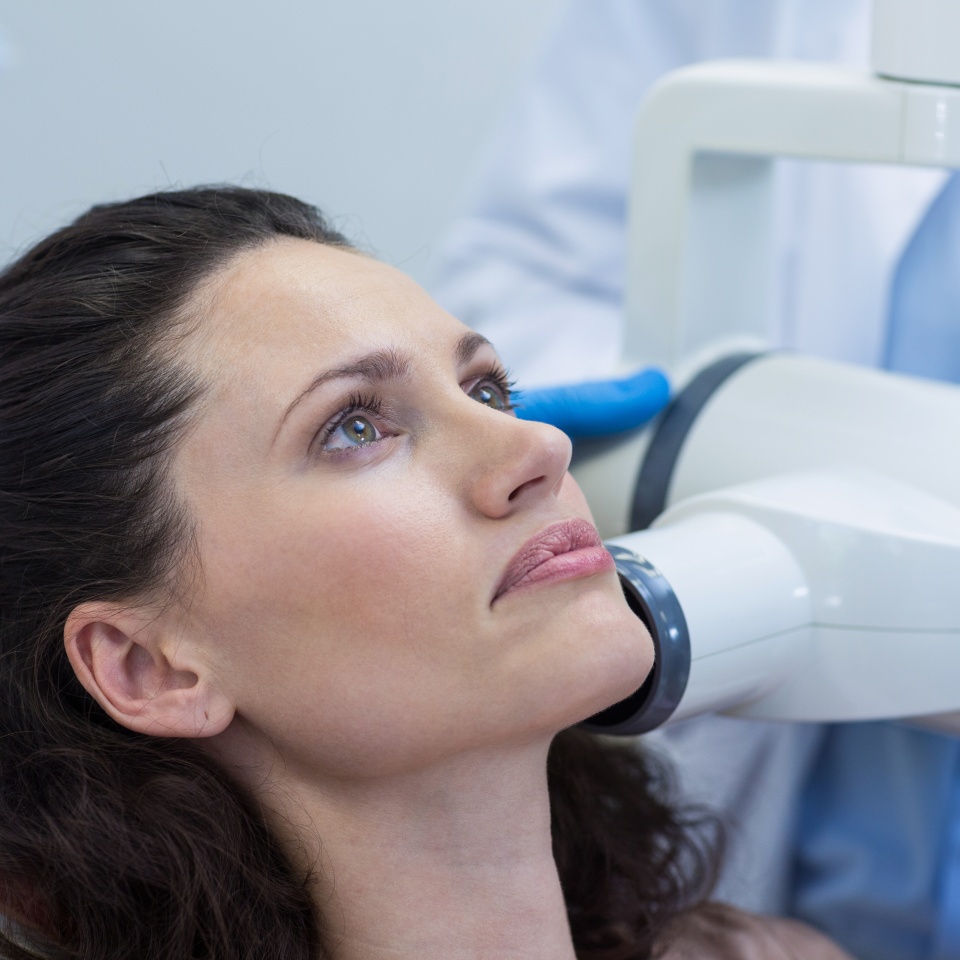
The extraction process begins with a comprehensive evaluation, including digital imaging to assess the position, angle, and root structure of each wisdom tooth. Dr. Patel discusses sedation options based on the complexity of the case and patient comfort preferences — ranging from local anesthesia to IV sedation for a sleep-like experience. During the procedure, he carefully removes gum tissue and bone covering the tooth, extracts the tooth (sometimes in sections for easier removal), and cleans the surgical site before placing sutures if needed. Most patients return home the same day with detailed aftercare instructions and prescribed medications to manage discomfort.
Frequently Asked Questions About Wisdom Teeth Removal
Most oral surgeons recommend evaluation during the mid-to-late teenage years, typically between ages 16 and 19, when roots are not fully formed and recovery tends to be faster — though extraction can be performed successfully at any age when problems arise.
Patients receive anesthesia and sedation appropriate for their procedure, so they feel no pain during extraction. Post-operative discomfort is normal but manageable with prescribed pain medication, ice packs, and rest during the first few days of recovery.
Initial healing typically takes about one to two weeks, with most patients returning to normal activities within three to five days. Following aftercare instructions — including eating soft foods and avoiding straws — promotes faster healing.
Leaving impacted or partially erupted wisdom teeth untreated can lead to recurring infections, cyst formation, damage to adjacent teeth, gum disease, and worsening pain that becomes more difficult to treat over time.
Sedation options range from nitrous oxide (laughing gas) and oral conscious sedation to IV sedation, which produces a sleep-like state where patients have little to no memory of the procedure. Dr. Patel recommends the best option based on individual needs.
The cost varies depending on the number of teeth removed, complexity of impaction, and type of sedation used. Our team provides transparent pricing during your consultation, and we accept most major PPO insurance plans along with flexible payment options.

Why Choose Marietta Dental Professionals
Patients benefit from having a board-certified oral surgeon available at their neighborhood dental practice — eliminating the need for referrals to outside specialty offices. Dr. Patel collaborates closely with our general dentistry team to ensure coordinated care from initial evaluation through complete recovery. The practice offers modern technology, a comfortable environment designed to ease dental anxiety, and multiple sedation options tailored to each patient’s comfort level.
Schedule your wisdom teeth consultation at Marietta Dental Professionals by calling (770) 514-5055 or requesting an appointment online. Early evaluation helps prevent complications and keeps your smile healthy for years to come.